

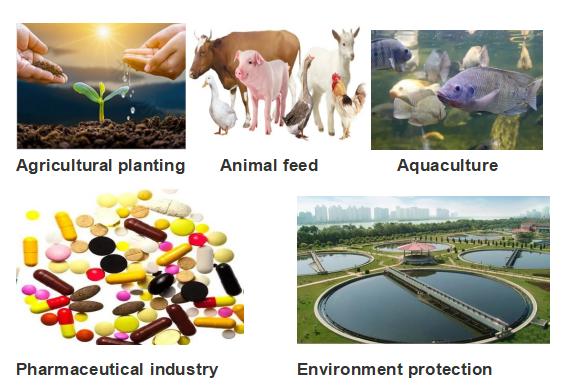
Bacillus subtilis is a Gram-positive, rod-shaped bacterium that has been studied for its various potential benefits in different fields. Here are some of the potential benefits associated with Bacillus subtilis:
Bacillus subtilis is known to be a probiotic, meaning it can confer health benefits when consumed in adequate amounts. It can contribute to the balance of the gut microbiota, promoting digestive health.
Bacillus subtilis produces enzymes that can help break down complex carbohydrates and proteins, aiding in the digestion process. This can potentially alleviate digestive issues and improve nutrient absorption.
Some studies suggest that Bacillus subtilis may stimulate the immune system, helping the body defend against pathogens. This can contribute to overall immune system health.
Bacillus subtilis produces antimicrobial substances that inhibit the growth of certain pathogenic bacteria and fungi. This antimicrobial activity can be beneficial for preventing infections.
Bacillus subtilis is used as a biopesticide in agriculture. It can act as a natural and eco-friendly alternative to chemical pesticides, helping control plant diseases caused by various pathogens.
Bacillus subtilis is employed in various industrial processes. It is used in the production of enzymes, antibiotics, and other bioactive compounds. The bacterium’s ability to secrete proteins makes it valuable for industrial protein production.
Some strains of Bacillus subtilis have been studied for their potential in bioremediation, helping to clean up environmental pollutants. They can break down and metabolize certain contaminants.
Bacillus subtilis is used in the fermentation of certain foods, contributing to the development of specific flavors and textures. It is a common component in the production of traditional fermented foods.
Bacillus subtilis has the ability to produce certain vitamins, such as B vitamins. This can be beneficial in food production and supplementation.
Bacillus subtilis is known for its ability to colonize plant roots and form a protective barrier against pathogenic microorganisms. This makes it a potential biological control agent for enhancing plant health.
Ms Wendy Lee
Mobile&Wechat&Whatsapp : 0086 13562692198
Email :yuedongbiotech@aliyun.com
Ms Jeff Wang
Mobile&Wechat&Whatsapp : 0086 13563622867
Email :wfyuedong@aliyun.com
Ms Sundy Lee
Mobile&Wechat&Whatsapp : 0086 15965090376
Email :yuedongsundy@aliyun.com